CAFS Africa

CAFS Africa

CAFS Africa

CAFS Africa

Education
Home Archive by Category "Education"

Category: Education

YAms
AgricultureEducationHealthNutrition
January 23, 2025

ANALYSIS: Seven key issues that shaped Nigeria’s agriculture sector in 2024

Despite promises by the government over the past 20 years to improve farming in Nigeria, the country still struggles with food sustainability

When President Bola Tinubu took office in May 2023, he promised to prioritise agricultural development and ensure food sufficiency.

Over 19 months later, Nigeria faces a hunger crisis aggravated by some of Mr Tinubu’s policies, especially the removal of fuel and currency subsidies, which has led to a significant rise in transportation and farm inputs costs. The prices of goods and services have increased across the country.

Aside from insecurity disrupting farming in rural settlements in food-producing states, extreme weather events, such as heat waves, droughts, and floods, have also made food production almost impossible for farmers in the country.

The high cost of food has eroded the purchasing power of many citizens whose incomes remain poor.

In this sector review, PREMIUM TIMES highlights key issues that shaped Nigeria’s agricultural sector in 2024.

Climate Change

In recent years, the increased frequency of extreme weather events, such as changing rainfall patterns and delayed rainfall, has significantly affected crop yields, livestock productivity, and farmers’ livelihoods. Flood disasters recorded across major food-producing regions in the past three years hit farmers the hardest.

Flooded farms used to illustrate the story
Flooded farms 

In 2024, Nigeria’s disaster management agency, NEMA, said floods killed over 303 people and affected over 1.2 million persons. The disaster also injured over 2,712 people, inundated over 1161,539 hectares of farmland, and completely damaged 106,000 hectares.

NEMA said 673,333 people were also displaced. Meanwhile, several communities in at least 201 local government areas in over 30 of Nigeria’s 36 states were also affected by floods.

High production costs, poultry farm shutdowns

Some of the policies, especially fuel subsidy removal, introduced by the Tinubu-led government made many Nigerian farmers struggle due to astronomical surges in the prices of major farm inputs and cost of production. This impacted farmers’ ability to invest in their farms, adopt new technologies, and expand their operations. It also forced some poultry farmers to stop operations due to unsustainable production costs.

Poultry birds
Poultry birds
Crates of eggs, Photo credit_ Mary Izuaka
Crates of eggs

Poor access to markets

Farmers faced difficulties in getting their products to market due to poor road networks, high cost of transportation and inadequate storage facilities, leading to a significant wastage of produce, especially tomatoes, onions and other vegetables. This situation eventually led to reduced incomes for farmers. A four-part investigation published by PREMIUM TIMES earlier this year revealed that large quantities of staple foods – including cereals, tubers, vegetables, and fruits produced in the country – are wasted due to inadequate storage, processing and transportation facilities.

Tomatoes (Wuse market, Abuja) Food stuff
Tomatoes (Wuse market, Abuja)

Insecurity and Conflict

Insecurity in parts of Nigeria has disrupted agricultural activities, leading to crop losses, reduced productivity, and displaced farming communities.

Attacks on farmers and farming communities forced several farmers to reduce production or abandon their farms. The aftermath of this crisis has led to the shrinkage of cultivated lands across the country amidst increasing population and food demand.

Duty-free importation of beans, wheat, rice and others

In July, Nigeria’s Minister of Agriculture, Abubakar Kyari, confirmed that the federal government had suspended duties, tariffs, and taxes on the importation of major food items like beans, wheat, and husked brown rice in an ongoing effort to drive down food prices.

The minister said the time that the government would massively import some food items in addition to allowing the duty-free importation of food.

“The federal government will import 250,000 metric tons of wheat and 250,000 metric tons of maize. These semi-processed commodities will be supplied to small-scale processors and millers across the country,” he said.

Similarly, in September, the government flagged off the sale of subsidised rice across the country to cushion the impact of rising food costs it claimed to have been exacerbated by factors such as COVID-19, the Russia-Ukraine war, and climate change.

However, the impact of this move was negligible as the prices of food commodities remained high due to the massive depreciation of the naira against the dollar across the currency markets.

High input costs

Farmers struggled with high input costs, particularly fertiliser and seeds, which rose by almost 100 per cent within a year. A bag of fertiliser sold for about N20,000 the previous year rose sharply to about N46,000 last year. This further impacted farmers’ production capacity and profit margins and hindered investment in critical areas like technology and soil health.

Livestock ministry creation

During the year, Mr Tinubu created the livestock ministry to improve meat and dairy production and reduce conflict between migrant herders and farmers.

While some Nigerians, including APC national chairman Abdullahi Ganduje and the Miyetti Allah Cattle Breeders Association of Nigeria, lauded the ministry, saying it would allow the government to focus on livestock production and its associated benefits, critics argued that the move would further increase the size of government, which many argued was already bloated.

The Tinubu administration had said it would implement the Orosanye report, which called for a leaner government by scrapping some government institutions and merging others.

Projections

Given the plethora of problems undermining Nigeria’s agricultural sector, Azeez Salawu, the founder of Community Action for Food Security (CAFS), called for greater investment in agricultural infrastructure, including irrigation systems, storage facilities, and rural road networks, to reduce post-harvest losses and enhance farmers’ access to markets.

The food security expert said addressing high input costs through subsidies or innovative financing mechanisms can help smallholder farmers increase productivity.

He urged the government to promote climate-smart agricultural practices and enhance youth participation in various food systems value chains to drive sustainable growth and food and nutrition security in Nigeria.

For his part, Razaq Fatai, Vestance Head of Research and Advisory, said Nigeria’s agricultural sector will face a complex landscape of challenges and opportunities in 2025.

He noted that while the sector’s output growth is expected to lag behind national GDP growth due to climate shocks, high input costs, and insecurity, there are some positive developments.

Mr Fatai said increased government actions to address insecurity and a push for state policing may gain momentum, with debates around constitutional amendments to allow states to establish their own police forces.

“Additionally, the government may extend the 180-day duty-tariff removal for selected agricultura commodities as Nigeria combats food inflation. However, the proposed 2025 Agricultural Budget at 1.3 per cent of the total budget remains far below the CAADP/Malabo commitment of 10 per cent, with inefficiencies and misallocations raising concerns,” he said.

With food production growth expected to be sub-optimal, Mr Fatai said food inflation will continue to exert upward pressure on overall inflation.

Read More
By cafsa
Screenshot-2023-06-02-at-6.04.28-PM
EducationNutrition
August 1, 2021

CS-SUNN IMPLEMENTS 2021 SUN YOUTH LEADERSHIP PROGRAM

To support National efforts in addressing the challenge of malnutrition, CS-SUNN implemented the 2021 Youth Leadership Program under the SUN Movement Civil Society Network from May- July 2021. The project sought to create awareness on nutrition among young people using various social media platforms. It placed on the spotlight sustainable nutrition pathways for young people, encompassing strategic elements around health, food/nutrition security and safety, agriculture, climate change, gender, micro-nutrient and child feeding. The project also sought to contribute to increasing nutrition perception as a developmental necessity for social protection, as well as growth and stability in Nigeria by leveraging on available Social Media platforms.

CS-SUNN’s engagement and collaborations with youth groups, youth-related government Ministries, Department and Agencies, social media influencers and On-Air Personalities across some radio stations and editors of some newspaper organizations enabled the alliance to:

1) Lead momentum towards improved public awareness on nutrition issues and drive actionable commitments and contributions of young people for sustained nutrition in Nigeria. CS-SUNN’s Survey on the impact of the program with 12 respondents had 33.3% of the respondents saying they were uninformed about youth and nutrition related matters before the program while 58.3% strongly agreed that CS-SUNN campaigns and activities on youth and nutrition issues increased their knowledge on the issue at the end of the program.

2) Achieve wide reach and engagements on the social media space via campaigns. Metrics from twitter and Facebook campaigns showed excellent and impactful engagement rates. Key performance indicators used to measure campaigns showed CS-SUNN made a total of 2000. 8K (233,893) impressions via the twitter campaigns (prior to the ban of twitter) and recorded an engagement rate of 4K (4449).  The Facebook campaign reached 2025 people with an engagement rate of 699.

3) Generate six key commitments from organizations towards sustained nutrition for youths in Nigeria. The Commitments were made by CS-SUNN, Save the Children, Federal Ministry of Education, and Community Action for Food Security at the end of a webinar with theme “Youths 4 Sustainable Nutrition in Nigeria. The commitments include:

CS-SUNN

  • “CS-SUNN is committing to support and partner with the Federal Ministry of Education (FMoE) to institutionalize food and nutrition clubs in primary and secondary schools.
  • We are also willing to work with FMoE to establish nutrition CDS at NYSC in the next NYSC batch. We will look at when the next batch is starting and then spark up conversations on that.
  • We will also engage our state chapters to Sustain conversations around youth involvement”, said CS-SUNN Chairman, Mr. Ekene Ifedilichukwu Innocent”.

SAVE THE CHILDREN INTERNATIONAL

“We will continue engaging the youth to find out what nutrition issues are affecting them and empower them to lend their voices by inviting them to policy dialogues and providing them with platforms where they can speak up and influence decisions”, said Karina Lopez, Head of Health and Nutrition, Save the Children International.

COMMUNITY ACTION FOR FOOD SECURITY

“We have been engaging secondary school students to teach them about nutrition and have established 2 gardens from that. We will continue to do this and also engage policy makers to ensure that young people are carried along in decision making processes” said Azeez Salawu, Managing Director, Community Action for Food Security.

FEDERAL MINISTRY OF EDUCATION

“The Federal Ministry of Education is committed to the establishment and strengthening of the already established food and nutrition clubs in schools at all levels and also to collaborate with the Federal Ministry of Youth and Sports Development and CS-SUNN to incorporate nutrition into National Youth Service Corps (NYSC) Community Development Service (CDS) Group activities”, said Mrs. Umoh Margaret, AD (Food and Nutrition) Technology and Science, Education Department,  Federal Ministry of Education, Abuja.

CS-SUNN is working to follow up with the commitments made and incorporate required engagements into ongoing projects to ensure sustainability of the Youth Leadership Program gains.

Read More
By cafsa
csm_2017-sdg-poster_9f4d6c7563
AgricultureEducationHealthNutrition
February 9, 2021

NGO Tasks Govt, Development Partners On Action To Transform Food Systems

Community Action for Food Security (CAFS), an NGO, has called on governments and development partners to help drive action that would transform Nigeria’s food systems for the well-being of the populace.

Executive Director of CAFS, Mr Azeez Salawu, made the call at the virtual UN Food Systems Independent Dialogue (FSSD) convened by the organisation on Tuesday.
The dialogue is titled “Adaptive Approaches for Food Systems Sustainability in Nigeria”.

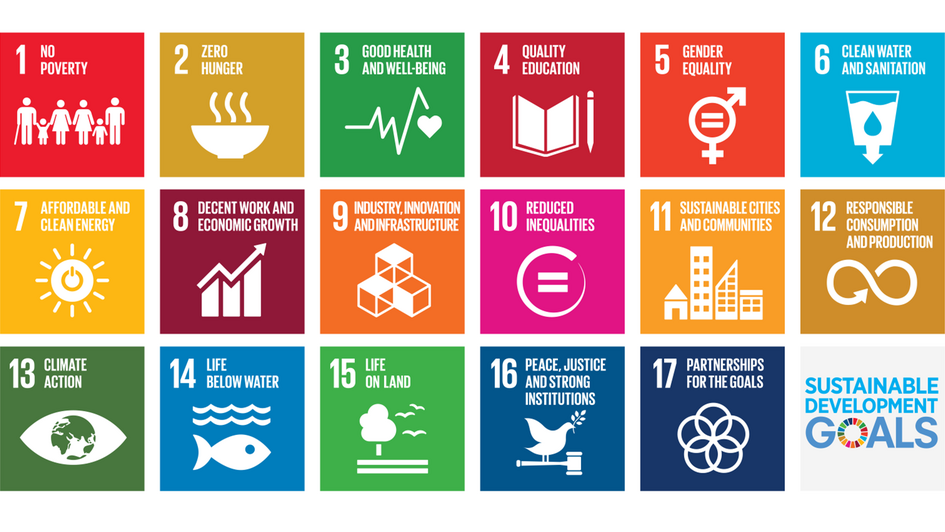
Salawu said the objective of the meeting was to “spark critical discussion, inspire, engage, network, connect and form a formidable partnership that will be based on investing in food security and rural development leading to the achievement SDGs,”.

He, therefore, urged all tiers of governments and partners to help drive action through more strategic programmes that have a direct impact on small scale farmers, youth and women in agriculture. The director further advocated robust extension services and an easy access market across the agricultural value chain.
Salawu explained that such action would go a long way in addressing “serious deterioration of food production systems currently bedevilling the country.

“As we commence the decade of action in the attainment of the 2030 SDGs, we call on leaders to find a pathway for more participation of young people.
“The FSSD is coming at the right time as we are also faced with a pandemic that has made it even worst for our small-scale farmers to operate in their respective communities thereby reducing their profits and also affecting the economy,” he said.

According to him, the hunger virus is also around as a lot of poor people have been affected.

“For us at CAFS, we strongly believe that there is a need for new policies that will be tailored for a better economy and the environment.
“All hands must be on deck especially as we adapt to the new normal.
“Climate change is another challenge to the Nigeria food system and the environment which calls for more synergy as we need to adapt to the various effects of climate change.

“The small-scale farmers should be put into consideration as they are mostly affected by the effect of climate change,” he said.
Salawu gave the assurance that CAFS would continue to guide, strengthen and equip young farmers through continuous awareness, linkages and more support to enhance proper adaptation to climate change for a better food system sustainability in Nigeria.

Earlier, Mrs Idowu Olusola, Permanent Secretary, Federal Ministry of Finance, Budget and National Planning, lauded the organizer of the conference. Olusola said that the conference was aimed at launching a bold new action to deliver progress on all the 17 SDGs which in a large extent relate to a healthier, equitable and sustainable food system. She identified food systems as touching every aspect of human existence describing the systems as having the power to bring people together as families, communities and nations.

The permanent secretary, however, emphasised that when food systems failed, the resulting disorder threatens the education, health and economy, as well as human rights, peace and security.
“The food and nutrition security in Nigeria today faces enormous challenges.

“These challenges emanate from climate changes, insurgency that displaced population from having access to their farmlands, land tenure system, poor investment in food production and poor processing, inadequate preservation resulting in huge losses.

“Also poor handling of foods, as well as inadequate monitoring and implementation of regulatory frameworks.

“The fragilities and inequalities of our food systems has resulted in general lack of food, hunger and starvation which millions of people around the various states of the Federation, including the FCT have experienced, even during the COVID-19 Pandemic,” she said.

The Food System Dialogue (FSSD) according to her, is expected to improve food and nutrition security in Nigeria, reduce hunger and the prevalence of malnutrition.

“It is also to create a more inclusive healthier food system, encourage collaborative approach towards building a food system in Nigeria and hence the achievement of the SDGs,” she said.

She explained that in an effort to ensure that the food systems are more sustainable, inclusive and resilient; the Nigerian government being a member of the UN was working with multiple stakeholders.

Such collaboration, according to her, is to contribute to making substantial and positive changes in the food system. (NAN).

Read More
By cafsa
Sanginga
ActivityAgricultureEducationHealthNutrition
November 2, 2018

World Food Day: How IITA Is Addressing Food Security in Africa, by IITA Boss

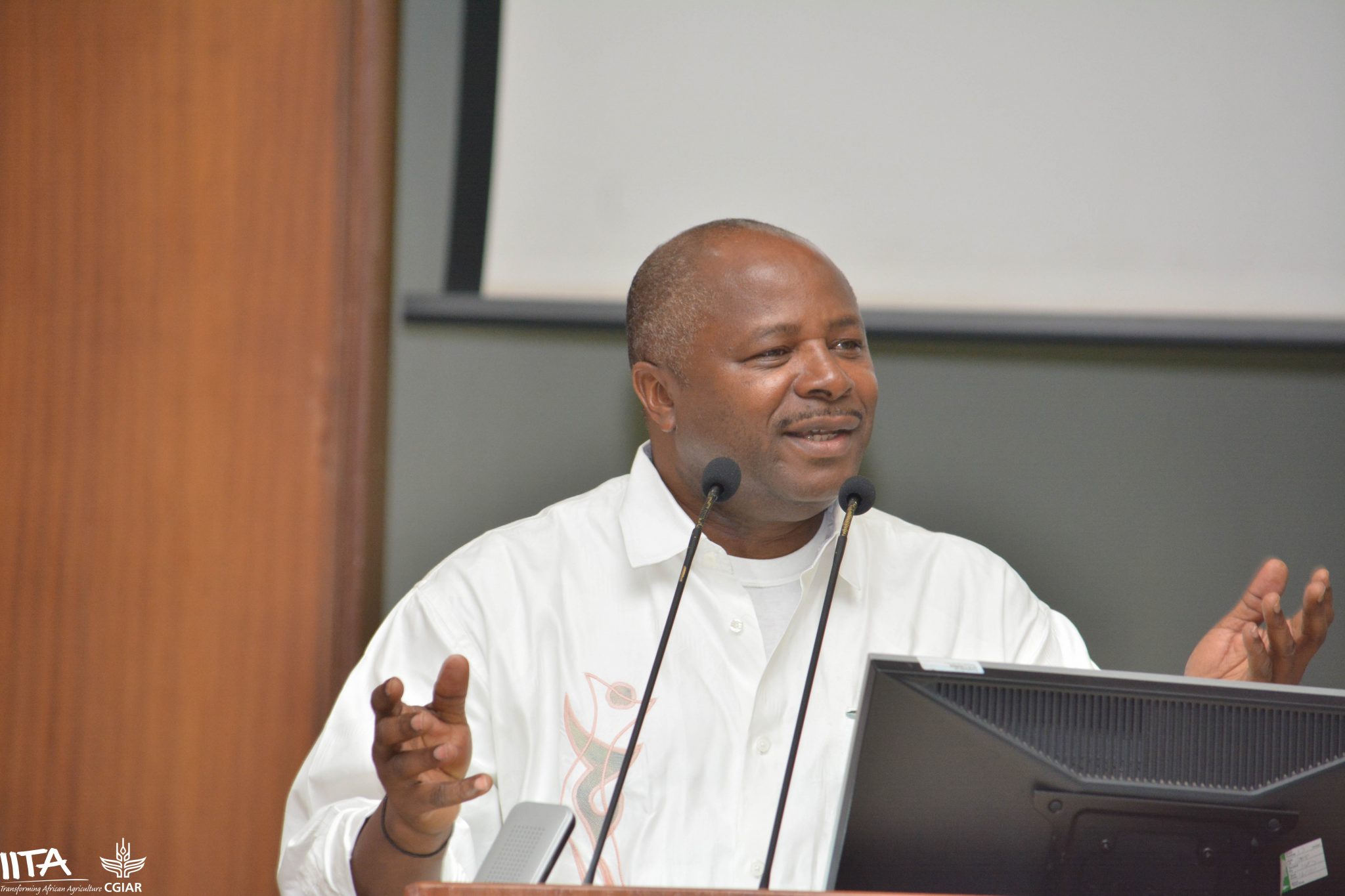
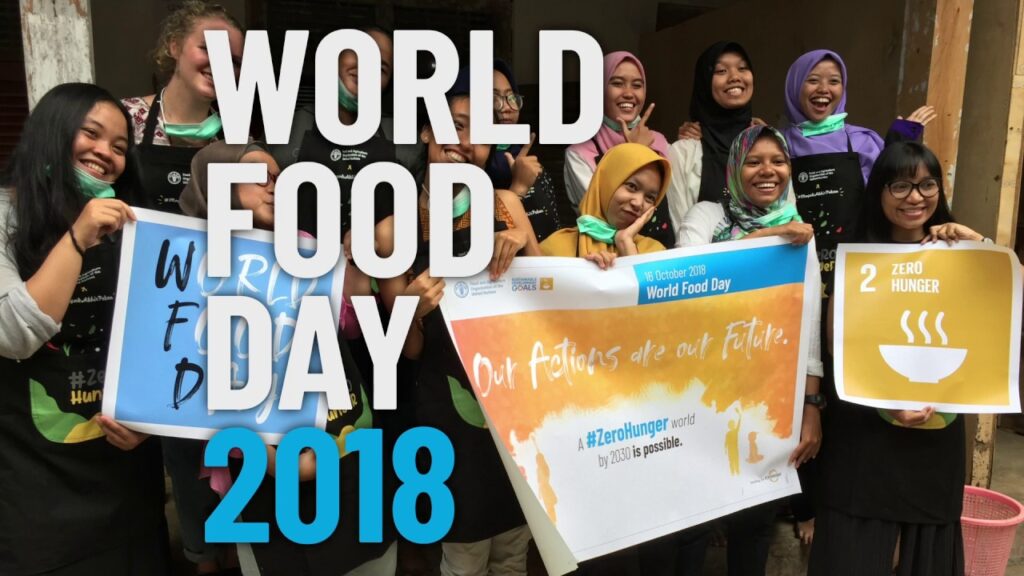
Research outputs by Africa Food Prize winner, the International Institute of Tropical Agriculture (IITA), and its national partners are helping farmers to come out of poverty, creating jobs and demonstrating the possibility of having a prosperous African continent, says the Director-General of IITA, Dr Nteranya Sanginga today. Addressing stakeholders at the Food Security Future Summit held at the Federal University of Agriculture Abeokuta, on Wednesday, Dr Sanginga said: “what is needed in Africa is the political and collective will to act.” He noted that Africa could achieve the Sustainable Development Goals (especially goal number 2 also known as Zero Hunger) by 2030 if governments on the Continent made a departure from mere rhetoric to taking action. Looking at global trends, the IITA boss said that by 2050, Africa’s population will double. “What that means is that we will have to feed more people. We will need more jobs for our youths. We will need more land, water, etc to produce food. “Clearly, if we continue with a business-as-usual approach, we will be in trouble,” he added.
The director general also spoke on the disturbing trends of youth unemployment in Africa, citing that in Nigeria, between 2001 and 2010; 22 million young people entered the labour market in search for jobs. “Some of these young people end up without decent jobs. In spite of our arable land, majority of African farmers are poor—most of them living on less than two dollars a day. Again malnutrition is widespread. So, we need to act and change this narrative!” Dr Sanginga who was represented by Godwin Atser, IITA Communication & Knowledge Exchange Expert said. Dr Sanginga, however, said that there was a ray of hope for the continent and he cited some of the achievements made by IITA which culminated in the winning of the Africa Food Prize as a centre for research excellence. He said the youth program at IITA, that is providing decent jobs for young people in agriculture, was a model that African nations could embrace and replicate to solve youth unemployment on the continent. He also noted that some of the breakthroughs if scaled out could lift Africa out of poverty and bring the continent on the path of prosperity. These include IITA improved varieties of cassava, maize, soybean, yam, banana/plantain, and cowpea that are resistant to pest and diseases, and high yielding. “Besides, we also have several other initiatives/projects that have demonstrated how countries can transform agriculture. For instance, the IITA Cassava Weed Management Project clearly demonstrates the possibility of doubling cassava yield from the current national average of 10 tons/ha to more than 20 tons per ha,” he added. The summit, which had the theme: The Role of Stakeholders in Harnessing Nigeria’s Agricultural Potential for Food Security, Nutrition and Sustainable Development,was organised by the Community Action on Food Security Initiative—a non-governmental organisation as part of activities to mark the World Food Day. The Convener of the Summit, Azeez Akanni Salawu said the objective of the summit was to spark critical discussions, inspire, engage, network, connect and form a formidable partnership that will be based on investing in food security and rural development leading to the achievement of the SDGs.
Read More
By cafsa
Archives
Categories
  • ! Без рубрики
  • Activity
  • Agriculture
  • Education
  • Health
  • Nutrition
  • Uncategorized
Meta
  • Log in
  • Entries feed
  • Comments feed
  • WordPress.org
What Is A Fundraising Campaign?

A fundraising campaign is fundraising that happens over an extended period of time and highlights a specific, predetermined goal.

Nonprofits use fundraising campaigns to raise awareness about their missions, and more specifically, the program or initiative for which they are currently soliciting donations.

Recent Donations

[give_donor_wall donors_per_page=3]

CAFS Africa
Recent Donations

[give_donor_wall donors_per_page=5]

Meta
  • Log in
  • Entries feed
  • Comments feed
  • WordPress.org
Meta
  • Log in
  • Entries feed
  • Comments feed
  • WordPress.org
Meta
  • Log in
  • Entries feed
  • Comments feed
  • WordPress.org
Meta
  • Log in
  • Entries feed
  • Comments feed
  • WordPress.org

Copyright © 2020 BigHearts by WebGeniusLab. All Rights Reserved