CAFS Africa

CAFS Africa

CAFS Africa

CAFS Africa

Nutrition
Home Archive by Category "Nutrition"

Category: Nutrition

YAms
AgricultureEducationHealthNutrition
January 23, 2025

ANALYSIS: Seven key issues that shaped Nigeria’s agriculture sector in 2024

Despite promises by the government over the past 20 years to improve farming in Nigeria, the country still struggles with food sustainability

When President Bola Tinubu took office in May 2023, he promised to prioritise agricultural development and ensure food sufficiency.

Over 19 months later, Nigeria faces a hunger crisis aggravated by some of Mr Tinubu’s policies, especially the removal of fuel and currency subsidies, which has led to a significant rise in transportation and farm inputs costs. The prices of goods and services have increased across the country.

Aside from insecurity disrupting farming in rural settlements in food-producing states, extreme weather events, such as heat waves, droughts, and floods, have also made food production almost impossible for farmers in the country.

The high cost of food has eroded the purchasing power of many citizens whose incomes remain poor.

In this sector review, PREMIUM TIMES highlights key issues that shaped Nigeria’s agricultural sector in 2024.

Climate Change

In recent years, the increased frequency of extreme weather events, such as changing rainfall patterns and delayed rainfall, has significantly affected crop yields, livestock productivity, and farmers’ livelihoods. Flood disasters recorded across major food-producing regions in the past three years hit farmers the hardest.

Flooded farms used to illustrate the story
Flooded farms 

In 2024, Nigeria’s disaster management agency, NEMA, said floods killed over 303 people and affected over 1.2 million persons. The disaster also injured over 2,712 people, inundated over 1161,539 hectares of farmland, and completely damaged 106,000 hectares.

NEMA said 673,333 people were also displaced. Meanwhile, several communities in at least 201 local government areas in over 30 of Nigeria’s 36 states were also affected by floods.

High production costs, poultry farm shutdowns

Some of the policies, especially fuel subsidy removal, introduced by the Tinubu-led government made many Nigerian farmers struggle due to astronomical surges in the prices of major farm inputs and cost of production. This impacted farmers’ ability to invest in their farms, adopt new technologies, and expand their operations. It also forced some poultry farmers to stop operations due to unsustainable production costs.

Poultry birds
Poultry birds
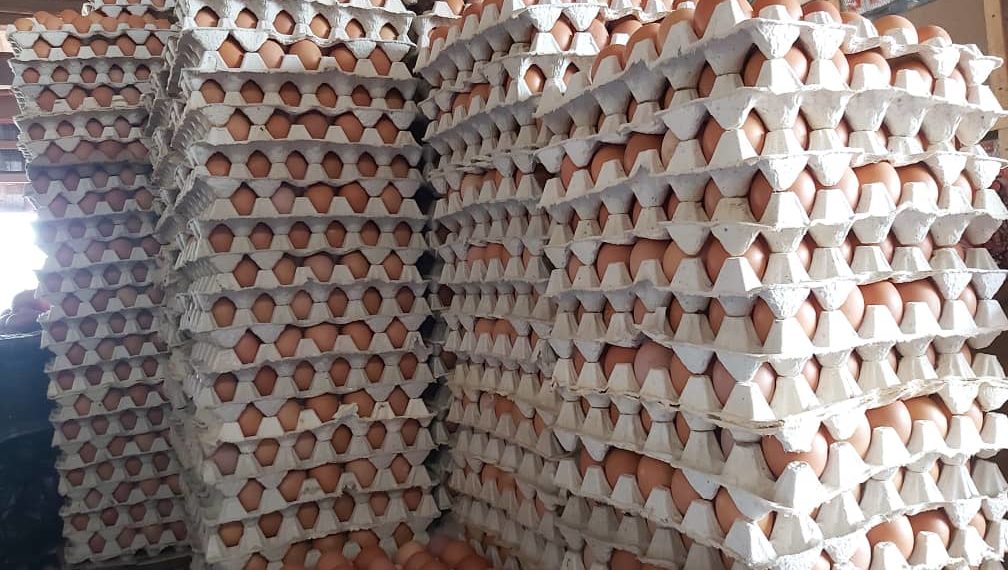
Crates of eggs, Photo credit_ Mary Izuaka
Crates of eggs

Poor access to markets

Farmers faced difficulties in getting their products to market due to poor road networks, high cost of transportation and inadequate storage facilities, leading to a significant wastage of produce, especially tomatoes, onions and other vegetables. This situation eventually led to reduced incomes for farmers. A four-part investigation published by PREMIUM TIMES earlier this year revealed that large quantities of staple foods – including cereals, tubers, vegetables, and fruits produced in the country – are wasted due to inadequate storage, processing and transportation facilities.

Tomatoes (Wuse market, Abuja) Food stuff
Tomatoes (Wuse market, Abuja)

Insecurity and Conflict

Insecurity in parts of Nigeria has disrupted agricultural activities, leading to crop losses, reduced productivity, and displaced farming communities.

Attacks on farmers and farming communities forced several farmers to reduce production or abandon their farms. The aftermath of this crisis has led to the shrinkage of cultivated lands across the country amidst increasing population and food demand.

Duty-free importation of beans, wheat, rice and others

In July, Nigeria’s Minister of Agriculture, Abubakar Kyari, confirmed that the federal government had suspended duties, tariffs, and taxes on the importation of major food items like beans, wheat, and husked brown rice in an ongoing effort to drive down food prices.

The minister said the time that the government would massively import some food items in addition to allowing the duty-free importation of food.

“The federal government will import 250,000 metric tons of wheat and 250,000 metric tons of maize. These semi-processed commodities will be supplied to small-scale processors and millers across the country,” he said.

Similarly, in September, the government flagged off the sale of subsidised rice across the country to cushion the impact of rising food costs it claimed to have been exacerbated by factors such as COVID-19, the Russia-Ukraine war, and climate change.

However, the impact of this move was negligible as the prices of food commodities remained high due to the massive depreciation of the naira against the dollar across the currency markets.

High input costs

Farmers struggled with high input costs, particularly fertiliser and seeds, which rose by almost 100 per cent within a year. A bag of fertiliser sold for about N20,000 the previous year rose sharply to about N46,000 last year. This further impacted farmers’ production capacity and profit margins and hindered investment in critical areas like technology and soil health.

Livestock ministry creation

During the year, Mr Tinubu created the livestock ministry to improve meat and dairy production and reduce conflict between migrant herders and farmers.

While some Nigerians, including APC national chairman Abdullahi Ganduje and the Miyetti Allah Cattle Breeders Association of Nigeria, lauded the ministry, saying it would allow the government to focus on livestock production and its associated benefits, critics argued that the move would further increase the size of government, which many argued was already bloated.

The Tinubu administration had said it would implement the Orosanye report, which called for a leaner government by scrapping some government institutions and merging others.

Projections

Given the plethora of problems undermining Nigeria’s agricultural sector, Azeez Salawu, the founder of Community Action for Food Security (CAFS), called for greater investment in agricultural infrastructure, including irrigation systems, storage facilities, and rural road networks, to reduce post-harvest losses and enhance farmers’ access to markets.

The food security expert said addressing high input costs through subsidies or innovative financing mechanisms can help smallholder farmers increase productivity.

He urged the government to promote climate-smart agricultural practices and enhance youth participation in various food systems value chains to drive sustainable growth and food and nutrition security in Nigeria.

For his part, Razaq Fatai, Vestance Head of Research and Advisory, said Nigeria’s agricultural sector will face a complex landscape of challenges and opportunities in 2025.

He noted that while the sector’s output growth is expected to lag behind national GDP growth due to climate shocks, high input costs, and insecurity, there are some positive developments.

Mr Fatai said increased government actions to address insecurity and a push for state policing may gain momentum, with debates around constitutional amendments to allow states to establish their own police forces.

“Additionally, the government may extend the 180-day duty-tariff removal for selected agricultura commodities as Nigeria combats food inflation. However, the proposed 2025 Agricultural Budget at 1.3 per cent of the total budget remains far below the CAADP/Malabo commitment of 10 per cent, with inefficiencies and misallocations raising concerns,” he said.

With food production growth expected to be sub-optimal, Mr Fatai said food inflation will continue to exert upward pressure on overall inflation.

Read More
By cafsa
b997276a-f9cf-4e8a-899d-9914af79cfb0
AgricultureNutrition
July 21, 2024

Neglected’ by government, Nasarawa women farmers resort to self-help, battle high cost of living

The prices of goods and services increased across Nigeria following the removal of fuel subsidies by the federal government in May 2023. The development contributed to the skyrocketing costs of farm inputs, putting farmers in a difficult situation. While large-scale farmers may withstand the burden, the impact is damning for small-scale farmers, especially women. In this report, Nurudeen Akewushola details the struggle of women farmers in Nasarawa State amid the rising cost of living in the country. This story also highlights a lack of policy implementation, which worsens their predicaments.

Last year, during the planting season, Cecilia Nekrel, a 32-year-old farmer based in Lafia, the Nasarawa State capital, planted groundnut, guinea corn, melon, and other varieties of cereal crops on six hectares of land. But her hope of feeding her family and turning a profit from harvested produce this year has been dashed.

The farmland she got at N10,000 per hectare the previous year has now doubled. Worse for the mother of six, the harvests she set aside for re-planting got infested by pests, as pesticides have now become a luxury she can no longer afford.

The challenges Nekrel faces, however, are beyond land and agricultural inputs. The male labourers she relies on to plough and tend the land now demand increased wages. Last year, she paid each of them N1,000 per ridge, but this year they want the amount tripled, citing the high cost of fuel and transportation.

Cecilia Nikrel
Cecilia Nikrel

As the rainy season approaches, Nekrel says she can only afford to plant guinea corn and maize on a single hectare — her lowest in the past five years as a farmer. 

We (farmers) are not able to cultivate anything in large quantities this year because the things have become very expensive.

Getting fertiliser is one big issue because it is ten times the price of herbicide. How are we going to raise the money for the herbicide and fertiliser that we are going to use on the farm? she lamented.

Since her husband moved out three years ago to pursue a master’s programme in Jos, Nekrel has been the family’s breadwinner. To earn some income and feed her children, she now sells palm oil and works as a part-time elementary school teacher.

The plight facing women farmers like Nekrel is part of a broader crisis across Nasarawa State, where the majority of small-scale women farmers are struggling to cope with soaring input costs and declining profits. 

Contributing factors

The decision by the Tinubu-led administration to remove fuel subsidies upon assuming office in May 2023 has been a major contributing factor to the situation. The policy shift contributed to the increased prices of goods and services nationwide, with women farmers like Nekrel bearing the brunt.

Many have been forced to scale back their farming operations, and some, like Nekrel, have abandoned farming entirely due to the prohibitive costs.

Farming amid hardship

Gloria Ayuba, a 37-year-old farmer based in Lafia, has had to scale back her operations. Last year, she harvested about ten bags of rice and eight bags of groundnut from seven hectares of land during the farming season. But, this year, she is contemplating reducing her inputs due to the high cost of seedlings and fertiliser. 

The costs of seedlings and fertiliser have become almost unbearable. I’m not sure I can afford to plant as much this season, Ayuba told The ICIR. 

Even if Ayuba could afford seedlings and fertiliser, the biggest hurdle she faces is finding farmland to cultivate. Earlier this year, the farmland owners she has used for the past three years increased the rent on her assigned three plots from N45,000 to N70,000, forcing her to lose the land.

Compounding Ayuba’s challenges is the high cost of hiring labourers due to a lack of access to gender-friendly equipment. With the onset of the rainy season, her hired labourers, who charged her N4,000 per person last year, are now demanding N7,500 each. But that’s not all she has to worry about. 

The hike in transportation is another threat to Ayuba’s farming operations. To sell her produce and buy necessary farm inputs, she frequents the Dendere market, about 10 minutes from her house by tricycle.

However, the cost of transportation to the market has surged to N400 from N200 and doubles when she has to transport harvested produce and other heavy goods. 

Gloria Ayuba/ Credit: Nurudeen Akewushola

Ayuba says she now treks to the market to manage expenses and keep her farming business afloat, noting that this has negatively impacted her income.

With no steady income from farming, the single mother of two has had to withdraw her children from the local community school. Now that they spend all day at home, it has become even more difficult to feed them. 

With no husband to support her, she says she and her two children will have to survive mostly on Garri, a food product derived from cassava.

For Victoria Alkali, 45, another farmer based in Angwan Waziri, soaring inflation and limited access to crucial agricultural loans is a huge challenge.

Due to her inability to pay the recently raised rent rate, she almost lost the land she used to plant maize and millet last year after the landowners increased the rent from N9,000 to N23,000 per hectare.

This year, as rising prices threaten her farming operations, she says her nine children will have to feed on cassava flour because it is cheaper.

“The prices of food have never been this high. There are times we sleep without food. Sometimes, you feel like you want to eat corn meal, but it costs between 1,300 and 1,500 naira per mudu. You end up buying cassava flour instead, which is cheaper but not your desired meal,” she said. 

 
Gloria Ayuba/ Credit: Nurudeen Akewushola

Most days, her children go to school on an empty stomach but on fairly good days, they take madidi, a thick porridge, gel-like fermented starchy food item made from millet, as breakfast and don’t eat anything else until dinner.

As a single mother, Alkali’s only hope is relying on some support from the government, but whether her hope will be realised remains to be seen.

Failed government support, promises 

Since the beginning of the year, when the cost of living spiked, the government of Nasarawa State claims it has provided continuous support to farmers to ease the hardship. For instance, in February 2024, the state government announced plans to distribute 26,000 bags of fertiliser to smallholder farmers.

The state governor, Abdullahi Sule, who made this pledge during an interview in Abuja after a courtesy visit to the Federal Ministry of Agriculture and Food Security (FMAFS), stated that the initial plan was to distribute 13,000 bags, but it would be doubled to 26,000 bags to further elevate agricultural productivity. 

But many smallholder women farmers, including Alkali, who spoke to The ICIR, say they have never benefited from any of the government’s support programmes and initiatives since the removal of fuel subsidy.

When contacted by The ICIR, the Nasarawa State commissioner for agriculture, Umar Abubakar Dan’akano, could not provide an account of the 26,000 bags of fertiliser promised for distribution since February to smallholder farmers, claiming they were not directly from the ministry. 

 “Those ones you are talking about are NG-cares programmes. I can’t explain them in detail. Including the 26,000 bags of fertiliser. They are interventions from NG-care. It’s not from the ministry,” the commissioner said. 

Nasarawa state Commissioner for Agriculture, Umar Dankano

In May this year, the Nasarawa State government, as part of the Agro-Climatic Resilience in Semi-Arid Landscapes (ACReSAL) programme, rolled out a $250,000 loan initiative borrowed from the World Bank. The interest-free loan was distributed to 620 farmers from 10 local communities, according to Joy Iganya-Agene, the task team leader of ACReSAL.

However, out of the 620 farmers who reportedly benefited from the loan, only 253 were women, indicating a wide gender disparity in the distribution. Notably, of the 253 women, none of the women farmers under the Small Scale Women Farmers of Nigeria (SWOFON) umbrella, including Alkali, received anything. 

The state government has yet to disclose how it selected its list of 620 beneficiaries. There is also no publicly accessible data on the beneficiaries. When asked about the loan distribution and the list of the 620 beneficiaries, the commissioner, Dan’akano, fummed: “Don’t ask me that question. I told you they are NG-care programmes”.

The COVID-19 Action Recovery and Economic Stimulus Program Project (NG-Cares) programme is a $750 million World Bank-funded programme aimed at expanding access to livelihood support and food security services by providing grants to poor and vulnerable households.

According to the state government, Nasarawa State has received about N13.6 billion from the programme since it the program was launched. The government claims that over 11, 000 farmers have benefitted from the project’s agriculture development initiative and 6,000 less privileged persons received N10,000 monthly under conditional cash transfer to improve their livelihood.

On a second call to inquire about the state government’s partnership with NG-care and the method of distribution of the support agriculture development initiative, including the most recent 26,000 bags of fertiliser, the commissioner said he mistook the question and didn’t mean to mention NG-cares. 

The commissioner then claimed that distribution of the 26,000 bags of fertiliser would kick off once approval processes are concluded. He did not specify what kind of approval has delayed the distribution since February. As of the time of filing this report, distribution was yet to commence.

The commissioner further promised that subsequent distributions would consider women farmers, despite not being able to account for how previous interventions have been conducted.

We will consider them (women farmers). We are going to consider them in the subsequent distributions.

As I speak to you, there are a lot of arrangements to alleviate the burden of economic hardships on women farmers associations in Nasarawa State. The arrangement regarding that is in top gear, they will be considered in the subsequent interventions, he said.

In a move to promote gender equity in the agricultural sector, the Nigerian government launched the National Gender Policy in Agriculture in October 2019. The policy set ambitious targets, mandating that at least 50 per cent of all agricultural input distribution, 45 per cent of financing and credit programmes, and 60 per cent of support initiatives must be allocated to women farmers.

Items Before After Description
Urea(50kg) N25,000 N65,000

Nitrogen-based fertilizer

NPK 15-15-15 (50kg) N30,000 N55,000 Balanced NPK fertilizer
Knapsack sprayer N35,000 N65,000 Portable manual sprayer
Insecticide (1 litre) N3,000 N6,000 Chemical for pest control
Mentaforce (1 litre) N4,500 N14,500 Herbicide for weed control
Pre-emergence (1 litre) N3,800 N7,000 Herbicide applied before weed emergence
Paraquat (1 litre) N3,000 N65,000 Non-selective herbicide
Glyphosate (1 litre) N3,500 N6,000 Broad-spectrum systemic herbicide
Cost of labourers (per ridge) N450 N1,000 Labour cost per ridge in farming
Cost of renting farmland(per plot) N10,000 to N15,000 N40,000 to N50,000  

Table showing the prices of some selected farm inputs in Nasarawa state before and after removal of fuel subsidy( Source: Market survey and SWOFON women). Data collection date: May 22, 2024.

However, findings show that the implementation of this policy has been lacking, particularly in Nasarawa State. 

The lack of progress in implementing the policy’s mandates also contravenes Nigeria’s obligations under the United Nations Convention on the Elimination of All Forms of Discrimination Against Women (CEDAW), which the country has ratified.

CEDAW obligates signatory states to take steps to end discrimination against women and ensure their full participation in all spheres of life, including access to land, credit, and income in the agricultural sector.

The failure of the state government to provide support tailored to women amid the economic situation is forcing many women out of agriculture, and Nigeria’s overall productivity in the sector is suffering. This is particularly worrisome given the critical role women play in the agricultural workforce; they account for 70 per cent of agricultural workers and 80 per cent of food producers. 

Woman farmer processing melon/ Credit : Nurudeen Akewushola

With women’s contribution to the sector being threatened by inflationary pressures, the agricultural industry, which makes up about 26 per cent of the country’s Gross Domestic Product (GDP), is now at risk of further decline, and government support isn’t getting where it is needed. 

Women farmers seek government’s intervention

A cross-section of women farmers who spoke with The ICIR across various local government areas in Nasarawa State said they have not received any support from the government despite the hardship they are facing. According to the women, they hear about the government’s announcements of distributing palliatives and other support in the news but it never reaches them. 

Nafisat Salisu

“The palliatives, we are not seeing it. We only used to hear they give a palliative somewhere or a particular community get help from the government or they are giving loan or grant in the news, we have never seen or received any of it as women farmers,” Nafisatu Salisu told The ICIR.

According to the coordinator of the Small-Scale Women Farmers Organisation in Nigeria (SWOFON) in Nasarawa State, Jumai Yohanna, this is the reality of over 14,000 farmers in the state’s network, and it is similar for many other SWOFON members nationwide, she asserted.  

In an interview with The ICIR, Yohanna said that the high cost of living and the government’s opaque allocation of agricultural finance and input support have rendered life intolerable for farmers in Nasarawa State.

“If they want to know how these grants can reach us, we will tell them. The way they distribute aid, we only hear on the radio that we are receiving something, but it’s always not true. It never reaches us.”

According to Yohanna, initiating a partnership with the association is one way to improve distribution and ensure that the government’s support programmes are tailored to the needs of the women farmers.

SWOFON Coordinator, Nasarawa state, Jumai Yohanna

However, she also pointed out that securing government loans has been challenging for most women farmers due to the rigorous protocols involved. She explained that the processes are not localised and even when the women farmers manage to meet all the requirements, their efforts do not yield results.

 “They used to ask us to submit an account number, and bring collateral such as car, house, land but even if you provide all these, you will not get anything,” she said.

 These steep collateral requirements go against the gender mainstreaming strategy contained in the National Gender Policy in Agriculture. 

Recognising that women may not be able to raise such collateral, the policy advocates for the reduction of collateral requirements and the use of alternative forms of security that are more accessible to women. 

 The Nasarawa state government has not only consistently ignored the gender mainstreaming strategies outlined in the National Gender Policy in Agriculture but has left women farmers out of its support programmes, unable to account for or publicly showcase beneficiaries of interventions running into multiple billions of naira. 

 In 2012, a group of women farmers formed a cooperative loan organisation called Village Savings and Loan (VSL). This was in response to their limited access to government credit and loans over the years. 

The VSL model involves members contributing small amounts that are pooled together, allowing the group to provide support and financial assistance to one another. 

More than a decade later, the VSL initiative remains a crucial lifeline for these women farmers, helping them navigate financial hardships and enabling them to maintain their farms and sustain their livelihoods.

 To further drive down production costs, the women say they are now replacing commercial fertiliser with do-it-yourself (DIY), organic fertiliser.

Women farmers resort to cheaper alternatives

Women farmers who spoke with The ICIR said they now supplement commercial fertiliser with more organic compost, such as animal manure, and livestock waste, to fertilise their farms due to the high cost of chemical fertiliser. 

Findings by The ICIR showed that 50 kg of urea, the most common fertiliser used by farmers across Nigeria, used to cost N25,000, but is now sold at N65,000. Similarly, 50 kg of NPK fertiliser 15:15:15 has risen to N55,000 from N30,000. 

 “Sometimes I use potash gotten from fire, I will mix it with the dirt, ” Nekrel explained while narrating how she prepares homemade pesticide.

“I also use animals such as chicken waste, (as fertiliser) but due to hot weather chickens hardly survive so I use the faeces obtained from those that survive. Also, I use goat and pig faeces as fertiliser,” she said.

Another farmer, Yohannah Emmanuel, 30, who is a resident of Ungwan Ali, says she often gathers groundnut shells after consumption or processing. The shells are taken to the farm, where they are to be used directly as organic fertiliser. Over time, the shells decompose, adding nutrients and improving soil structure.

Yohanna Emmanuel/ Credit : Nurudeen Akewushola

Sometimes, instead of using the groundnut shells directly, she burns them to create ash. The ash is then collected and used as fertiliser. She also sometimes combines it with human excrement. The groundnut shell ash and faeces are spread over the farm to enrich the soil with essential nutrients that can aid plant growth. 

“That’s what’s helping us,” Emmanuel said, adding: “I don’t have the money to buy fertiliser. Even if I want to buy one, sometimes they sell fake fertilisers in the market. When you go and spray it on your farm, you will have to weed the farm all over again.”

For Alkali, using chicken and cow dung as manure has saved her the high cost of fertilisers. She noted that the inability to afford herbicides exposes her crops to infection. 

“Only rich people can afford to buy fertiliser now because of how costly they have become. I always want to buy herbicides and pesticides, but when I get to the store and see the high prices, I have to find low-cost alternatives,” Alkali explained.

While women smallholder farmers widely embrace organic composting and manure as a more cost-effective and eco-friendly fertilising practice, they often face the challenge of slower results than chemical alternatives.

Experts have noted that organic fertilisers like animal waste and shell ash have a slower, more gradual impact on crop yields compared to synthetic fertilisers.

Way forward

A report by Cadre Harmonise, a regional initiative focused on food and nutrition analysis indicates that over 5 million Nigerians are at risk of food insecurity between June and August 2024. 

With agricultural productivity declining, experts in the agricultural sector who spoke with The ICIR emphasised an urgent need for macroeconomic stability, improved infrastructure, and targeted support for women farmers to mitigate increasing threats to food production.

 Razaq Fatai, head of research and advisory at Vestance, an agriculture-focused consulting firm, identified the depreciation of the Nigerian currency as one of the major reasons responsible for the increasing cost of farm inputs in the country, urging the government to boost crude oil production to stabilise the currency.

Rasaq Fatai

“The agricultural sector does not operate in isolation. Input prices are often determined by exchange rates. If the Nigerian currency depreciates, inputs become more expensive. To stabilise input prices, we need to boost crude oil production. If we can increase crude oil production to around two million barrels per day, it will increase dollar inflows and help stabilise the currency,” Fatai said.

Fatai also pointed out the need to focus on macroeconomic stability, capacity development, and resource access. He added that these steps will help farmers get better prices for their goods and ensure continuous capacity development and market access.

Productivity in Nigeria is still very low for almost all commodities compared to other countries. We need to invest heavily in improving the quality of seedlings to boost productivity. More importantly, we need to ensure farmers adopt these better seeds. We need a support system to help farmers access and use quality inputs. This includes investments in better seeds and scaling access to them.

He also called for extensive government support for women farmers and recommended investing in capacity development for women farmers on best farming practices. 

On his part, the founder of Community Action for Food Security (CAFS Africa), Azeez Salawu, explained that the socio-economic implications of the high cost of living could result in a decline in agricultural productivity, leading to decreased food availability and worsening food insecurity in the country.


Azeez Salawu

He urged the government to provide direct financial support for essential farm inputs to reduce production costs and invest in infrastructure and market access to enable farmers to sell their produce at fair prices, thereby reducing post-harvest loss and increasing their income.

Salawu further urged the government to increase access to affordable credit tailored to women farmers, enabling them to invest in productivity-enhancing technologies. He suggested providing capacity-building sessions to enhance their skills in modern farming techniques and business development. 

He also called for integrated support systems encompassing financial assistance, training, and other services to empower women farmers, stressing the importance of strategically including women farmers in policy formulation to address their specific needs and foster a sense of belonging.

This report republished from Crispng was made possible with support from the International Budget Partnership (IBP), and the International Centre for Investigative Reporting, (ICIR) under the Strengthening Public Accountability For Results and Knowledge (SPARK 2) project. 

Read More
By cafsa
crtes of eggs
AgricultureNutrition
April 3, 2023

Naira Scarcity: How CBN policy caused suffering for Nigeria’s poultry farmers

On 3 March, the Supreme Court later ruled that the old notes be recirculated alongside the new notes until 31 December.

Some Nigerian poultry farmers recorded huge losses due to the scarcity of naira notes caused by the implementation of the naira redesign policy of the Central Bank of Nigeria (CBN) in the first quarter of the year.

Farmers who spoke with PREMIUM TIMES within the week explained how the cash crunch affected sales of poultry products such as eggs and broilers amidst high prices of poultry feed. Other farmers lamented how they recorded unprecedented losses and sold off their birds at low prices.

Although the CBN and commercial banks in the country are beginning to comply with the Supreme Court ruling that the old naira notes be circulated until 31 December, poultry farmers said that they are reeling from the ripple effects of the naira scarcity.

Background

On 26 October 2022, Nigeria’s CBN announced the introduction of newly redesigned 200, 500 and 1,000 naira notes into the country’s financial system. But after the notes were unveiled, millions of Nigerians across the country were unable to access them from banks and ATM cash points.

The development triggered protests and frustration among bank users who took to the streets to express their grievances. In the midst of the crisis, the CBN extended the deadline for the phasing out of the old notes from 31 January to 10 February. Yet, many Nigerians and several businesses had a hard time functioning effectively due to difficulty getting the new notes.

Amid the hardship being faced by Nigerians, the country’s Supreme Court gave an order restraining the CBN from going ahead with the implementation of the 10 February deadline set for the phasing out of the old notes. But in his reaction, President Muhammadu Buhari during a live broadcast only approved the continued use of the old N200 notes up until April. Thus, the naira scarcity persisted.

On 3 March, the Supreme Court later ruled that the old notes be recirculated alongside the new notes until 31 December.

Poor Demand

Peter Ogbeide, who runs a poultry farm in Nasarawa State, said the cash crunch has crippled his poultry business. He recorded huge losses as a result of poor sales due to a lack of cash, he said.

“This issue (cash scarcity) has crippled our poultry session! We are forced to stop the birds from laying by not giving them (birds) Layers feeds and planning to sell off,” he told PREMIUM TIMES in an interview.

Last week, he said, a company brought more than 100 crates of eggs and was forced to sell for N500 to N800 per crate as against N1500 and above it was trading before the new naira policy was implemented.

“We have about 80 crates of eggs that we have not been able to sell despite dropping the price to 1700 as against the wholesale price of 1900! We fear by Monday the eggs would start going bad because they would have stayed more than 5 days,” Mr Ogbeide said.

As a strategy to encourage their customers to buy eggs, the farmer explained that they had to suggest transporting the eggs to their customers after reducing the price. Despite the marketing strategy, he lamented, customers complained of a cash crunch.

“Most of them are saying they still have the ones we supplied them since last week as consumers don’t have the cash to buy them off their shelves,” Mr Ogbeide noted.

On his part, Oyewole Ademola, another poultry farmer in Nasarawa State, explained that the Nigerian local market, sales and service are basically cash driven but that the recent cashless policy enforcement by the government and the CBN affected their businesses.

As a farmer and egg producer, Mr Ademola said, the price of eggs per crate slumped from N1800 to N1500 from the farm. He added that the retailers are complaining of low patronage due to the unavailability of cash.

“Eggs have a lifespan of two weeks before they get rotten, no retailers would want to stock it for too long,” he said.

“The eggs are getting spoiled. We may have to begin to bury the product as a waste if no one is buying due to the cash strap inflicted on us by those who are expected to support the farmers.”

The farmer noted that Nigeria is a cash-based economy unlike the developed country where most things can be bought from the shopping mall in bulk and payment can be made with credit cards.

Timothy Okunade, the ex-president of the Kaduna State chapter of the Poultry Association of Nigeria (PAN) who spoke with PREMIUM TIMES early this week, described the situation as “bad”.

“Can Emefiele release more cash into circulation before he kills the poultry industry in Nigeria? At least the election is done now. Please help us to plead with Emefiele for God’s sake,” he lamented.

In a video shared with our reporter, shot on his farm, crates of eggs were placed in several rooms without off-takers while the farmer could be heard lamenting that his entire farm is littered with eggs, while the birds are still laying and feeding on expensive feed amid dwindling sales.

PREMIUM TIMES also reported how in neighbouring Plateau State, the state government had to mop up eggs from farmers to save their businesses.

Way Forward

Mr Ademola said the government and the CBN have to review their decision about the naira redesign policy that has caused a lot of pain and suffering for many Nigerian businesses.

“This is not a cashless policy, it’s confiscation of people’s money by FGN/CBN,” he added.

Azeez Salawu, founder and executive director at Community Action for Food Security (CAFS) Initiative, said the cash crunch has had a severe impact on poultry farmers, leading to significant losses of eggs and income.

He said targeted government interventions could be helpful in cushioning the effects of these policies on farmers.

“Financial assistance and access to credit facilities can help these farmers cover their operating costs and invest in their businesses during these difficult times. Subsidies for poultry feed and inputs can help to reduce production costs, making it easier for the farmers to maintain their businesses and generate income,” he said.


Mr Salawu added that training and educating the farmers on alternative strategies for managing their businesses such as diversifying their product offerings, expanding their customer base, or exploring new markets can be valuable for the farmers who are facing this current economic uncertainty.

Overall, he said, a comprehensive approach that combines financial assistance, access to credit, subsidies, and training and education will be effective in supporting poultry farmers in Nigeria during this challenging time.

“It’s important that policymakers prioritise the needs of farmers and work to create policies that help them to thrive and succeed in the face of economic adversity,” he said.

Read More
By cafsa
Screenshot-2023-06-02-at-6.04.28-PM
EducationNutrition
August 1, 2021

CS-SUNN IMPLEMENTS 2021 SUN YOUTH LEADERSHIP PROGRAM

To support National efforts in addressing the challenge of malnutrition, CS-SUNN implemented the 2021 Youth Leadership Program under the SUN Movement Civil Society Network from May- July 2021. The project sought to create awareness on nutrition among young people using various social media platforms. It placed on the spotlight sustainable nutrition pathways for young people, encompassing strategic elements around health, food/nutrition security and safety, agriculture, climate change, gender, micro-nutrient and child feeding. The project also sought to contribute to increasing nutrition perception as a developmental necessity for social protection, as well as growth and stability in Nigeria by leveraging on available Social Media platforms.

CS-SUNN’s engagement and collaborations with youth groups, youth-related government Ministries, Department and Agencies, social media influencers and On-Air Personalities across some radio stations and editors of some newspaper organizations enabled the alliance to:

1) Lead momentum towards improved public awareness on nutrition issues and drive actionable commitments and contributions of young people for sustained nutrition in Nigeria. CS-SUNN’s Survey on the impact of the program with 12 respondents had 33.3% of the respondents saying they were uninformed about youth and nutrition related matters before the program while 58.3% strongly agreed that CS-SUNN campaigns and activities on youth and nutrition issues increased their knowledge on the issue at the end of the program.

2) Achieve wide reach and engagements on the social media space via campaigns. Metrics from twitter and Facebook campaigns showed excellent and impactful engagement rates. Key performance indicators used to measure campaigns showed CS-SUNN made a total of 2000. 8K (233,893) impressions via the twitter campaigns (prior to the ban of twitter) and recorded an engagement rate of 4K (4449).  The Facebook campaign reached 2025 people with an engagement rate of 699.

3) Generate six key commitments from organizations towards sustained nutrition for youths in Nigeria. The Commitments were made by CS-SUNN, Save the Children, Federal Ministry of Education, and Community Action for Food Security at the end of a webinar with theme “Youths 4 Sustainable Nutrition in Nigeria. The commitments include:

CS-SUNN

  • “CS-SUNN is committing to support and partner with the Federal Ministry of Education (FMoE) to institutionalize food and nutrition clubs in primary and secondary schools.
  • We are also willing to work with FMoE to establish nutrition CDS at NYSC in the next NYSC batch. We will look at when the next batch is starting and then spark up conversations on that.
  • We will also engage our state chapters to Sustain conversations around youth involvement”, said CS-SUNN Chairman, Mr. Ekene Ifedilichukwu Innocent”.

SAVE THE CHILDREN INTERNATIONAL

“We will continue engaging the youth to find out what nutrition issues are affecting them and empower them to lend their voices by inviting them to policy dialogues and providing them with platforms where they can speak up and influence decisions”, said Karina Lopez, Head of Health and Nutrition, Save the Children International.

COMMUNITY ACTION FOR FOOD SECURITY

“We have been engaging secondary school students to teach them about nutrition and have established 2 gardens from that. We will continue to do this and also engage policy makers to ensure that young people are carried along in decision making processes” said Azeez Salawu, Managing Director, Community Action for Food Security.

FEDERAL MINISTRY OF EDUCATION

“The Federal Ministry of Education is committed to the establishment and strengthening of the already established food and nutrition clubs in schools at all levels and also to collaborate with the Federal Ministry of Youth and Sports Development and CS-SUNN to incorporate nutrition into National Youth Service Corps (NYSC) Community Development Service (CDS) Group activities”, said Mrs. Umoh Margaret, AD (Food and Nutrition) Technology and Science, Education Department,  Federal Ministry of Education, Abuja.

CS-SUNN is working to follow up with the commitments made and incorporate required engagements into ongoing projects to ensure sustainability of the Youth Leadership Program gains.

Read More
By cafsa
csm_2017-sdg-poster_9f4d6c7563
AgricultureEducationHealthNutrition
February 9, 2021

NGO Tasks Govt, Development Partners On Action To Transform Food Systems

Community Action for Food Security (CAFS), an NGO, has called on governments and development partners to help drive action that would transform Nigeria’s food systems for the well-being of the populace.

Executive Director of CAFS, Mr Azeez Salawu, made the call at the virtual UN Food Systems Independent Dialogue (FSSD) convened by the organisation on Tuesday.
The dialogue is titled “Adaptive Approaches for Food Systems Sustainability in Nigeria”.

Salawu said the objective of the meeting was to “spark critical discussion, inspire, engage, network, connect and form a formidable partnership that will be based on investing in food security and rural development leading to the achievement SDGs,”.

He, therefore, urged all tiers of governments and partners to help drive action through more strategic programmes that have a direct impact on small scale farmers, youth and women in agriculture. The director further advocated robust extension services and an easy access market across the agricultural value chain.
Salawu explained that such action would go a long way in addressing “serious deterioration of food production systems currently bedevilling the country.

“As we commence the decade of action in the attainment of the 2030 SDGs, we call on leaders to find a pathway for more participation of young people.
“The FSSD is coming at the right time as we are also faced with a pandemic that has made it even worst for our small-scale farmers to operate in their respective communities thereby reducing their profits and also affecting the economy,” he said.

According to him, the hunger virus is also around as a lot of poor people have been affected.

“For us at CAFS, we strongly believe that there is a need for new policies that will be tailored for a better economy and the environment.
“All hands must be on deck especially as we adapt to the new normal.
“Climate change is another challenge to the Nigeria food system and the environment which calls for more synergy as we need to adapt to the various effects of climate change.

“The small-scale farmers should be put into consideration as they are mostly affected by the effect of climate change,” he said.
Salawu gave the assurance that CAFS would continue to guide, strengthen and equip young farmers through continuous awareness, linkages and more support to enhance proper adaptation to climate change for a better food system sustainability in Nigeria.

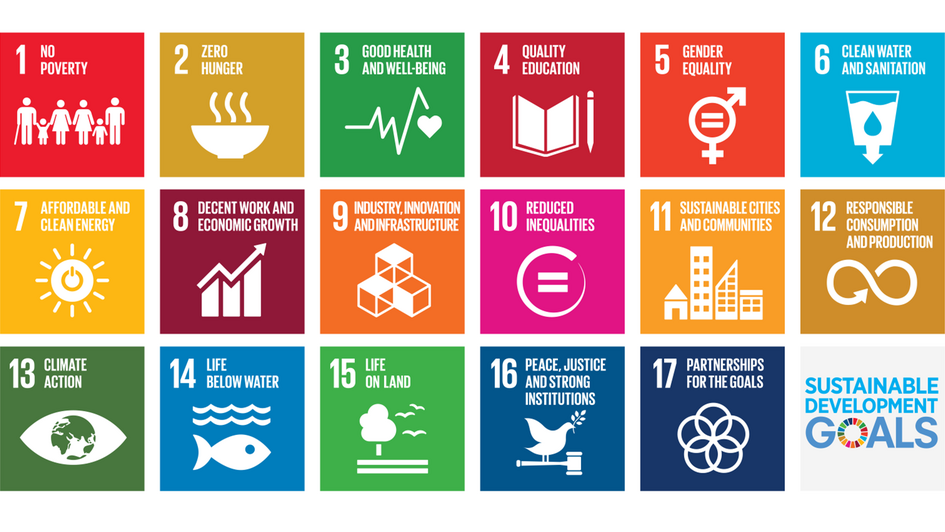
Earlier, Mrs Idowu Olusola, Permanent Secretary, Federal Ministry of Finance, Budget and National Planning, lauded the organizer of the conference. Olusola said that the conference was aimed at launching a bold new action to deliver progress on all the 17 SDGs which in a large extent relate to a healthier, equitable and sustainable food system. She identified food systems as touching every aspect of human existence describing the systems as having the power to bring people together as families, communities and nations.

The permanent secretary, however, emphasised that when food systems failed, the resulting disorder threatens the education, health and economy, as well as human rights, peace and security.
“The food and nutrition security in Nigeria today faces enormous challenges.

“These challenges emanate from climate changes, insurgency that displaced population from having access to their farmlands, land tenure system, poor investment in food production and poor processing, inadequate preservation resulting in huge losses.

“Also poor handling of foods, as well as inadequate monitoring and implementation of regulatory frameworks.

“The fragilities and inequalities of our food systems has resulted in general lack of food, hunger and starvation which millions of people around the various states of the Federation, including the FCT have experienced, even during the COVID-19 Pandemic,” she said.

The Food System Dialogue (FSSD) according to her, is expected to improve food and nutrition security in Nigeria, reduce hunger and the prevalence of malnutrition.

“It is also to create a more inclusive healthier food system, encourage collaborative approach towards building a food system in Nigeria and hence the achievement of the SDGs,” she said.

She explained that in an effort to ensure that the food systems are more sustainable, inclusive and resilient; the Nigerian government being a member of the UN was working with multiple stakeholders.

Such collaboration, according to her, is to contribute to making substantial and positive changes in the food system. (NAN).

Read More
By cafsa
Sanginga
ActivityAgricultureEducationHealthNutrition
November 2, 2018

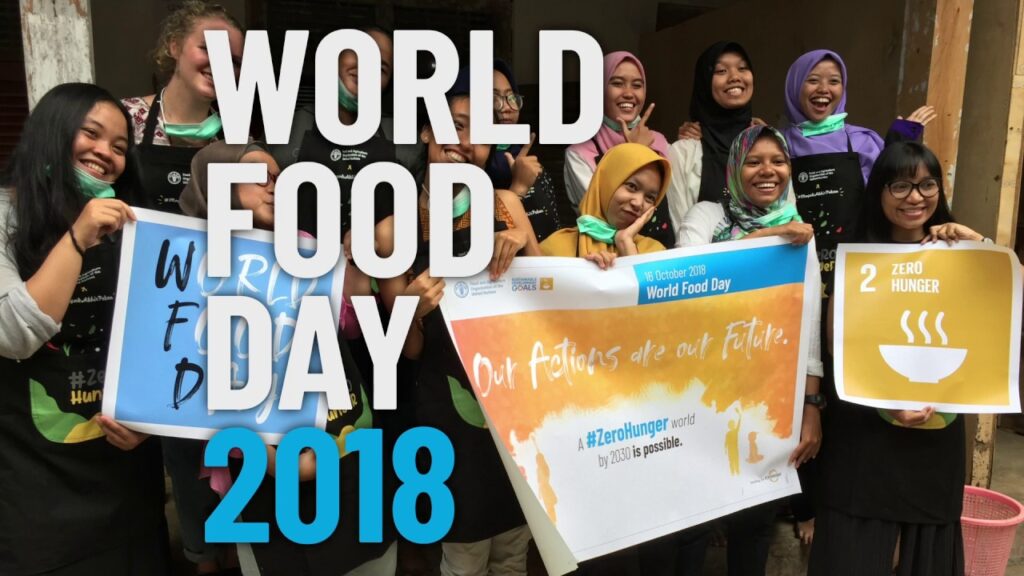
World Food Day: How IITA Is Addressing Food Security in Africa, by IITA Boss

Research outputs by Africa Food Prize winner, the International Institute of Tropical Agriculture (IITA), and its national partners are helping farmers to come out of poverty, creating jobs and demonstrating the possibility of having a prosperous African continent, says the Director-General of IITA, Dr Nteranya Sanginga today. Addressing stakeholders at the Food Security Future Summit held at the Federal University of Agriculture Abeokuta, on Wednesday, Dr Sanginga said: “what is needed in Africa is the political and collective will to act.” He noted that Africa could achieve the Sustainable Development Goals (especially goal number 2 also known as Zero Hunger) by 2030 if governments on the Continent made a departure from mere rhetoric to taking action. Looking at global trends, the IITA boss said that by 2050, Africa’s population will double. “What that means is that we will have to feed more people. We will need more jobs for our youths. We will need more land, water, etc to produce food. “Clearly, if we continue with a business-as-usual approach, we will be in trouble,” he added.
The director general also spoke on the disturbing trends of youth unemployment in Africa, citing that in Nigeria, between 2001 and 2010; 22 million young people entered the labour market in search for jobs. “Some of these young people end up without decent jobs. In spite of our arable land, majority of African farmers are poor—most of them living on less than two dollars a day. Again malnutrition is widespread. So, we need to act and change this narrative!” Dr Sanginga who was represented by Godwin Atser, IITA Communication & Knowledge Exchange Expert said. Dr Sanginga, however, said that there was a ray of hope for the continent and he cited some of the achievements made by IITA which culminated in the winning of the Africa Food Prize as a centre for research excellence. He said the youth program at IITA, that is providing decent jobs for young people in agriculture, was a model that African nations could embrace and replicate to solve youth unemployment on the continent. He also noted that some of the breakthroughs if scaled out could lift Africa out of poverty and bring the continent on the path of prosperity. These include IITA improved varieties of cassava, maize, soybean, yam, banana/plantain, and cowpea that are resistant to pest and diseases, and high yielding. “Besides, we also have several other initiatives/projects that have demonstrated how countries can transform agriculture. For instance, the IITA Cassava Weed Management Project clearly demonstrates the possibility of doubling cassava yield from the current national average of 10 tons/ha to more than 20 tons per ha,” he added. The summit, which had the theme: The Role of Stakeholders in Harnessing Nigeria’s Agricultural Potential for Food Security, Nutrition and Sustainable Development,was organised by the Community Action on Food Security Initiative—a non-governmental organisation as part of activities to mark the World Food Day. The Convener of the Summit, Azeez Akanni Salawu said the objective of the summit was to spark critical discussions, inspire, engage, network, connect and form a formidable partnership that will be based on investing in food security and rural development leading to the achievement of the SDGs.
Read More
By cafsa
Archives
Categories
  • ! Без рубрики
  • Activity
  • Agriculture
  • Education
  • Health
  • Nutrition
  • Uncategorized
Meta
  • Log in
  • Entries feed
  • Comments feed
  • WordPress.org
What Is A Fundraising Campaign?

A fundraising campaign is fundraising that happens over an extended period of time and highlights a specific, predetermined goal.

Nonprofits use fundraising campaigns to raise awareness about their missions, and more specifically, the program or initiative for which they are currently soliciting donations.

Recent Donations

[give_donor_wall donors_per_page=3]

CAFS Africa
Recent Donations

[give_donor_wall donors_per_page=5]

Meta
  • Log in
  • Entries feed
  • Comments feed
  • WordPress.org
Meta
  • Log in
  • Entries feed
  • Comments feed
  • WordPress.org
Meta
  • Log in
  • Entries feed
  • Comments feed
  • WordPress.org
Meta
  • Log in
  • Entries feed
  • Comments feed
  • WordPress.org

Copyright © 2020 BigHearts by WebGeniusLab. All Rights Reserved